
What Thermal Imaging Finds That a Regular Inspection Misses
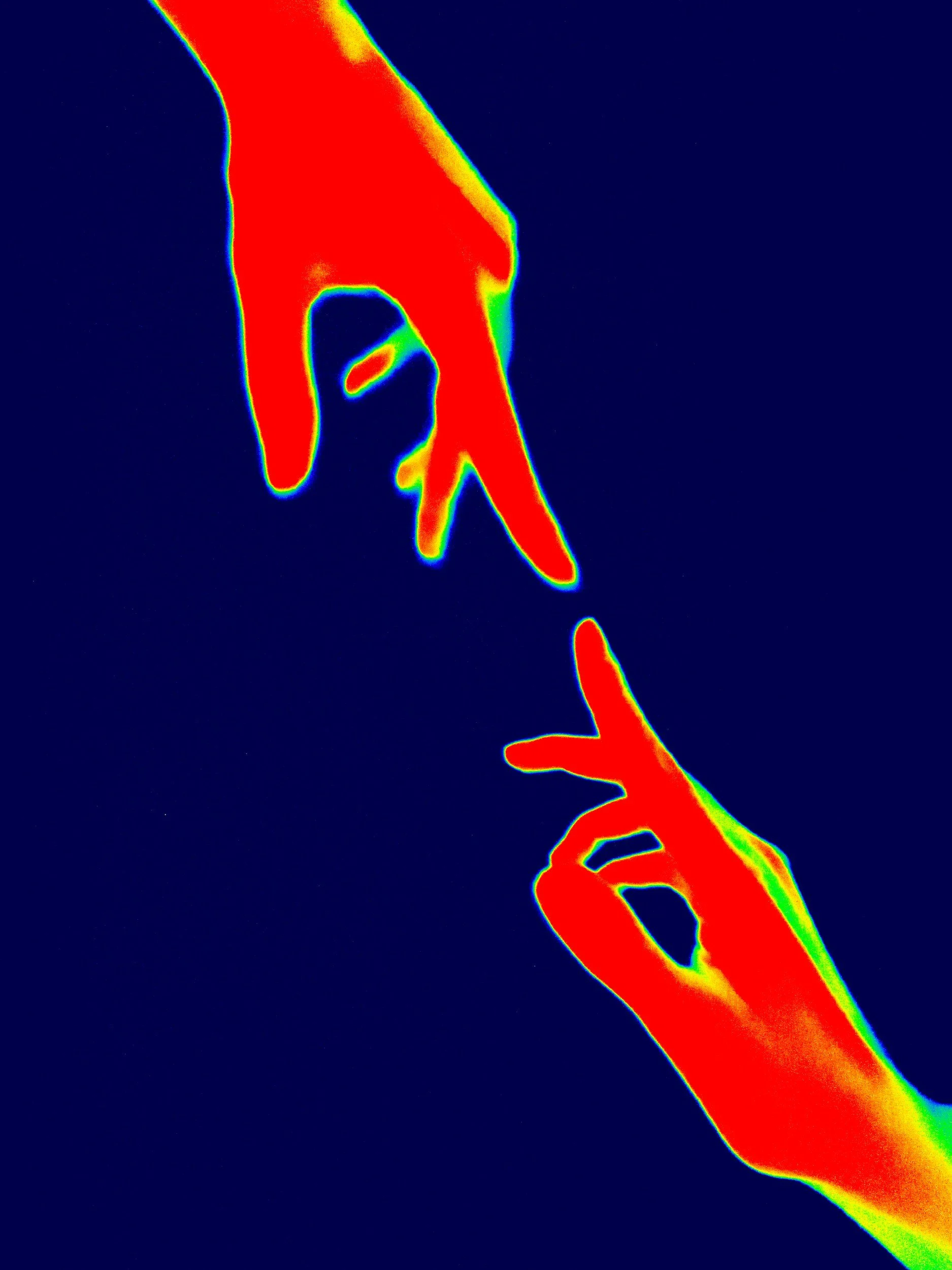
A standard home inspection is thorough. An inspector walks every room, checks every system, and documents what they find. But there’s a limitation built into every visual inspection — it can only find what it can see. That’s where thermal imaging changes everything.
What is thermal imaging?
Thermal imaging uses an infrared camera to detect temperature differences across surfaces. Everything emits heat and when something is wrong — moisture behind a wall, a failing electrical connection, missing insulation — it shows up as a temperature anomaly on the camera. Problems that are completely invisible to the naked eye show up clearly on a thermal scan.
What it actually finds
Hidden moisture and water intrusion
This is the big one. Water behind walls, under floors, and above ceilings doesn’t announce itself. By the time you see a stain or smell something musty the damage has usually been going on for a while. Thermal imaging detects the temperature difference that moisture creates long before it becomes visible — giving you a chance to address it before it turns into a mold problem or structural damage.
Electrical hot spots
Overloaded circuits, failing connections, and faulty wiring all generate excess heat. An infrared camera picks up these hot spots at the electrical panel and throughout the home. A hot spot in a wall that nobody can see is a fire hazard — one that a standard visual inspection simply cannot detect.
Insulation gaps and energy loss
Colorado winters are no joke. Missing or inadequate insulation shows up clearly on a thermal scan as cold spots along walls, ceilings, and around windows. These gaps drive up your heating bills every single month and are often completely hidden behind drywall. Knowing about them before you buy gives you the ability to factor that into your decision.
HVAC issues
Thermal imaging can reveal uneven heat distribution, duct leaks, and failing components in your heating and cooling system that don’t show up during a standard operational check.
Roof leaks
Active or recent roof leaks leave a thermal signature in the attic and ceiling areas even when there’s no visible staining yet. Catching a roof leak early is significantly cheaper than dealing with the water damage it causes over time.
Why it matters in Colorado specifically
Denver Metro homes deal with significant temperature swings, heavy snow loads, and older housing stock in many neighborhoods. All of these factors create more opportunities for the kind of hidden problems thermal imaging is designed to find. It’s not a nice to have in Colorado — it’s a genuinely useful tool on almost every inspection.
The bottom line
Thermal imaging doesn’t replace a standard inspection — it makes it better. The combination of a thorough visual inspection and an infrared scan gives you a much more complete picture of a home’s condition than either one alone. It’s one of the reasons we include thermal imaging with every Stone Ridge inspection at no extra charge. You shouldn’t have to pay more to know more.
